


Ancient Greek Jewellery: definition and historical context
Ancient Greek Jewellery covers personal ornaments produced in Greek-speaking contexts from the Archaic period into the Hellenistic age and includes rings, beads, inlays and mounted stones used in dress and seals. The term Ancient Greek Jewellery is used here to describe objects that were made, worn or adapted within those cultural and chronological boundaries rather than modern reproductions or later revivals.
Across the Archaic, Classical and Hellenistic periods the function and style of jewellery evolved from simple bead strings and tubular amulets to finely worked intaglio rings and complex metalwork set with semiprecious stones. Museum surveys and collection overviews show this progression in both typology and technique, and they provide the baseline for how scholars and collectors discuss these objects today Metropolitan Museum of Art overview.

Common object types include intaglio rings, signet rings with engraved stones, strung beads used in necklaces, and small inlaid elements fitted into gold or silver mounts. These categories matter because the cutting technique, function and likely provenance of a stone can change depending on whether it was intended as a seal, a display element or a wearable bead.
Dating is often given as Archaic, Classical or Hellenistic; the Hellenistic period in particular shows wider use of imported materials and more elaborate settings as trade networks expanded. Major collections and galleries provide accessible catalogs that help frame these changes for collectors and researchers British Museum collection notes and to related items see our Ancient Greek Rings collection.
The stones most commonly used in Ancient Greek Jewellery
The documented palette in Greek jewellery is relatively focused: carnelian and red jasper for engraved intaglios, amethyst and garnet for cabochons and beads, and occasional lapis lazuli as a prestige import. This group appears repeatedly in museum holdings and technical studies and forms the practical starting point for visual identification. See broader historical context at World History article on Minoan jewellery.

Carnelian and red jasper were primary choices for intaglios and signet rings because their conchoidal fracture and fine colour range take crisp engraving and preserve detail well, which made them useful for seals and personal marks in Classical and Hellenistic contexts Metropolitan Museum of Art overview and an in-depth Getty study is also relevant Getty publication.
Amethyst and garnet, frequently found as rounded beads or cabochon mounts, are common in Hellenistic and Classical assemblages; archaeogemological work has linked some garnet examples to eastern Mediterranean and South or Central Asian sources, supporting the idea that workshops used both local and long-distance supplies archaeogemological study of Thessaloniki gems and a museum review AJA review.
Lapis lazuli appears only rarely and almost always in contexts that suggest higher status, because it was imported from distant sources such as the Sar-e-Sang mines in Badakhshan. Its presence in Greek contexts is therefore a useful indicator of prestige or long-distance exchange Natural History Museum note on Afghan lapis.
Beyond these main stones, other materials do occur but in smaller numbers; major museum surveys emphasize that the palette documented in collections remains limited compared with later medieval and modern repertoires, making these few stones the most reliable starting point for identification British Museum collection notes.
@auroraantiqua behind the scenes and curated finds
The curated listings and condition notes in specialist collections help collectors compare documented examples and understand how provenance and restoration affect identification.
Why these stones were chosen: availability, trade and symbolism
Selection of materials was shaped by what workshops could obtain and what consumers valued. Availability followed trade routes that linked Mediterranean ports with inland sources, and some stones were more locally accessible while others arrived through long-distance exchange.
Lapis lazuli is a clear example of an imported prestige material whose supply is tied to a specific mining region; archaeological and historical work links its appearance in the Classical world to trade from Sar-e-Sang, making it relatively rare and status-signalling when it occurs in jewellery Natural History Museum note on Afghan lapis.
Red stones such as carnelian and jasper could be worked into seals and intaglios and were widely circulated through Mediterranean trade, which helped explain their central role in personal and administrative objects. This combination of practical suitability for engraving and accessible supply made them a first choice for many workshops Metropolitan Museum of Art overview.
Colour and symbolism also mattered: certain hues could convey meanings tied to status or identity, and choice of stone could be both practical and symbolic. Where documentary evidence is limited, museum scholarship and trade studies provide the most reliable context for interpreting these choices review of gemstone trade in the Classical Mediterranean.
How stones were cut and set in Ancient Greek Jewellery
Two cutting approaches dominate the evidence: intaglio engraving for seals and signet rings, and rounded cabochon or bead finishes for ornamental use. Intaglio work allowed detailed iconography to be impressed into wax or clay, while cabochons and beads emphasized colour and surface polish.
Settings were typically simple and secure: bezel settings that cradle the stone were common, and variations of collet-style mounts appear in metalwork where a thin collar or rim holds the gem in place. These mounting choices reflect metalworking traditions as much as gem preference British Museum research on gem-cutting and settings.
Technical conservation reports explain how the original finish and mounting influence what collectors see today, since tools, wear and burial can alter surfaces and obscure fine details that would clarify original cutting technique British Museum research on gem-cutting and settings.
a visual magnification and lighting checklist for basic gem inspection
Use a steady mount for photos
For collectors, recognizing whether a stone is intaglio-cut or a cabochon makes a large difference to likely function and age. Intaglio panels usually carry tool marks and fine engraving lines, while cabochons are smooth and rounded and were often strung or set for display.
Identifying materials today: a practical checklist for collectors
A practical visual checklist starts with cutting style and workmanship: is the stone intaglio-engraved with deliberate tool lines, or smoothed as a cabochon? This distinction is often more informative than colour alone and should be the first filter in any assessment.
Next, examine colour range and internal features under magnification. Look for natural banding, tiny mineral inclusions or growth patterns that align with known materials; those features are often visible with a 10x loupe and controlled lighting and can help distinguish, for example, jasper from dyed glass.
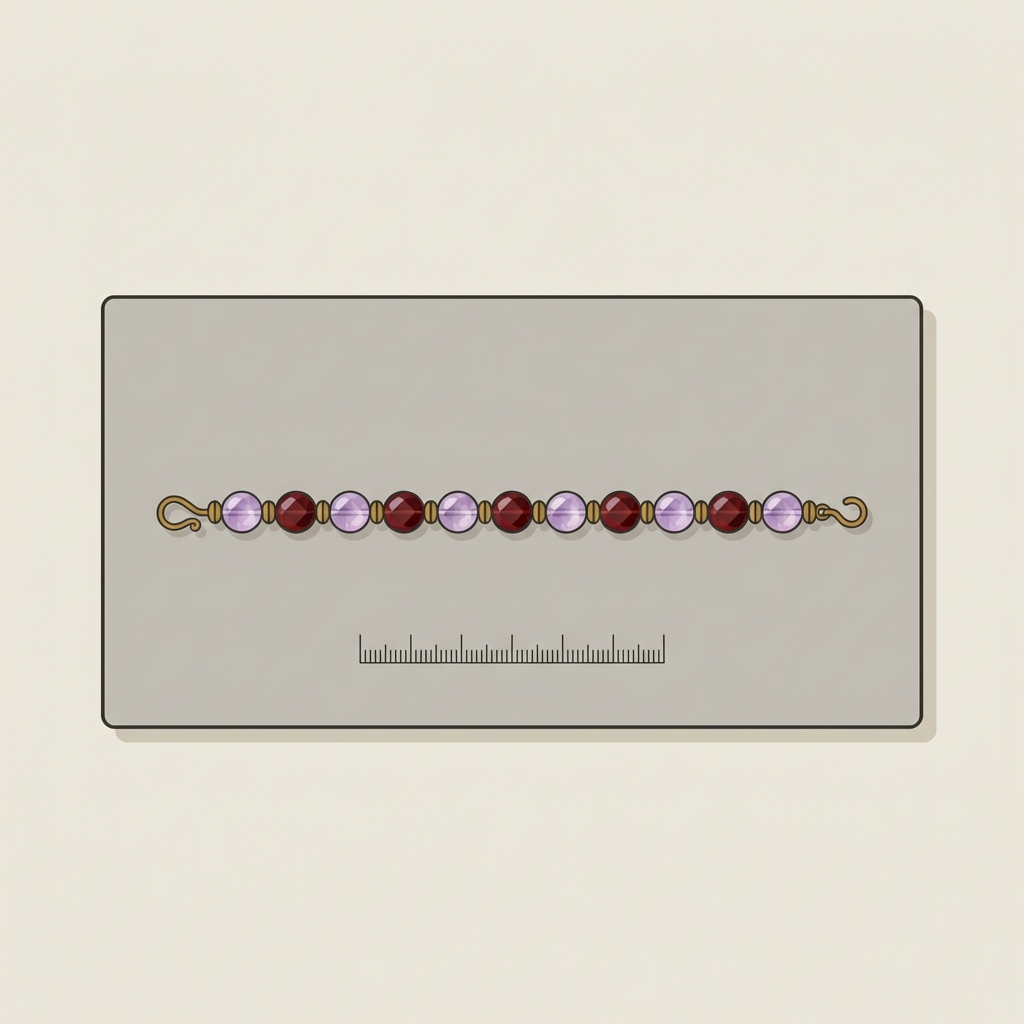
Documentation cues are equally important. Ask the seller for provenance statements, collection history and clear condition and restoration notes; reputable catalog entries and museum references remain the best comparators for common types and work practices British Museum research on gem-cutting and settings.
When visual clues are inconclusive, request specialist archaeogemological testing. Targeted trace-element or isotopic analyses can resolve questions about garnet sourcing or distinguish modern treatments from ancient work, and these tests are increasingly referenced in scientific studies of Classical gems archaeogemological study of Thessaloniki gems.
Provenance, condition and conservation: what the notes reveal
Provenance statements and collection history provide context that visual inspection alone cannot supply. Reliable documentation typically names prior collections, excavation contexts when known, and any institutional catalog references that support dating and attribution.
Condition and restoration notes record what was stabilized, repaired or left untouched; conservators commonly flag later repairs, adhesive residues and surface consolidants that can change both appearance and interpretive value British Museum research on gem-cutting and settings.
Collectors should focus on a small documented palette-carnelian, red jasper, amethyst, garnet and occasional lapis lazuli-use cutting style and mount type as primary visual clues, and rely on provenance and specialist testing when necessary.
When documentation is limited, compare the condition notes with high-resolution photographs and ask specific questions: was the stone cleaned, retouched, or re-mounted? These details affect how comfortable a collector should be relying on visual ID alone and whether further testing is warranted.
Open research questions and limits of visual identification
Despite advances, certain sourcing questions remain unresolved in 2026, notably the exact provenance of many garnets and some agates found in Greek contexts. Recent archaeogemological work has narrowed possibilities but also shown that isotopic or trace-element analysis is usually necessary to move from plausible to probable sourcing archaeogemological study of Thessaloniki gems.
Archaeogemological studies can separate some source regions and reveal trade patterns, but they require samples and specialist labs, so they are not routine for every object on the market. For collectors, this means treating strong sourcing claims cautiously unless supported by published analysis or independent reports review of gemstone trade in the Classical Mediterranean.
Typical mistakes and stumbling blocks collectors make
A frequent error is relying on colour alone to identify a stone. Colour can be misleading because many natural materials overlap in hue and because modern treatments or assembled pieces can imitate ancient colours convincingly.
Another common pitfall is ignoring cutting style and mount type. A modern glass bead can be misread as ancient if photos do not show the intaglio tool marks or the bezel details that secure a genuine ancient mounting British Museum research on gem-cutting and settings.

Overlooking restoration notes is also risky. Repairs and re-mountings can both mask original features and introduce modern materials, which changes how a stone should be displayed or interpreted in a collection British Museum research on gem-cutting and settings.
Practical examples and short case studies from museum research
Museum-illustrated intaglio rings show the hallmark combination of carnelian or red jasper with fine engraving lines and secure bezel mounts; these comparisons help collectors see the consistent relationship between cutting method and intended use in seal rings Metropolitan Museum of Art overview. Compare with our rings collection.
The archaeogemological study of Hellenistic and Roman jewellery from a major regional museum demonstrated how trace-element work can identify likely source regions for garnets and reveal workshop preferences for certain bead types. That study is a practical example of how science can refine provenance questions that visual inspection leaves open archaeogemological study of Thessaloniki gems.
Condition and provenance notes in museum records often change how a piece is read. An intaglio described as having a later silver re-bezel or adhesive residues will be treated differently by curators and collectors than an unrestored example, and museum catalog entries can model the level of detail to request from a seller British Museum collection notes.
How to buy responsibly: a practical checklist for collectors
Ask for provenance and collection history, detailed condition and restoration notes, and high-resolution images before committing to a purchase. These elements are the basic documentation that allow buyers to compare an offered piece to museum examples and to assess whether further research is needed.
Request explicit restoration notes and any third-party testing or letters of verification when available. If a seller cannot provide clear condition information, treat that as a measurable risk and consider asking for independent examination or declined purchase.
Remember that a reputable curator or specialist can add confidence through documented comparisons and a transparent record of what was stabilized or altered. Aurora Antiqua presents condition notes and collection history for many pieces to help collectors make evidence-based decisions.
Conclusion: key takeaways about stones used in Ancient Greek Jewellery
The primary stones to know are carnelian and red jasper for intaglios, amethyst and garnet for beads and cabochons, and lapis lazuli as a scarce prestige import. This focused palette reflects availability, technical suitability and symbolic preferences documented in museum collections and recent technical studies Metropolitan Museum of Art overview.
Visual identification is a helpful first step but has limits; provenance, condition and targeted archaeogemological testing are often necessary to resolve sourcing questions, especially for garnets and some agates archaeogemological study of Thessaloniki gems.
Use museum research and clear documentation as your guide, and prioritize condition notes, high-resolution photos and measured comparisons when assessing a potential acquisition.
Carnelian and red jasper were commonly used for seal rings because they take fine engraving well and preserve detail; identification should rely on cutting style and provenance notes rather than colour alone.
No, lapis lazuli is rare and typically appears in higher-status pieces; it was imported from distant sources, so its presence often signals long-distance trade or prestige.
Ask for archaeogemological or trace-element testing when provenance is uncertain or when sourcing claims are central to attribution, particularly for garnets and agates.
References
- https://www.metmuseum.org/toah/hd/grjr/hd_grjr.htm
- https://www.britishmuseum.org/collection/galleries/greece
- https://www.sciencedirect.com/science/article/pii/S2352409X24001628
- https://www.nhm.ac.uk/discover/news/2017/july/afghan-lapis-lazuli.html
- https://www.cambridge.org/core/journals/antiquity/article/gemstone-trade-in-the-classical-mediterranean/
- https://www.britishmuseum.org/research/publications/online-research-articles/gem-cutting-ancient
- https://auroraantiqua.store/products/roman-silver-ring-auriga-red-jasper-intaglio-of-cock-drawing-a-chariot-driven-by-a-mouse-1st-3rd-century-ad-eu-57-us-7-5
- https://auroraantiqua.store/
- https://auroraantiqua.store/collections/ancient-greek-rings
- https://auroraantiqua.store/collections/rings
- https://www.getty.edu/publications/resources/virtuallibrary/0892362154.pdf
- https://ajaonline.org/online-museum-review/368/
- https://www.worldhistory.org/article/449/minoan-jewellery/