


Quick answer: is this a vintage egyptian ring or an antique?
In market practice through 2026, dealers and auction houses typically use a working threshold that treats "vintage" as objects roughly 20 to 99 years old and "antique" for items of about 100 years or more, a convention that guides many listings and catalogues Sotheby's guide to vintage and antique jewellery.
For Egyptian rings specifically, stylistic comparison to museum typologies and published corpora is often required to place a piece relative to ancient periods, because visual features like scarab carving or bezel form tie to dated examples in institutional collections The Metropolitan Museum of Art collection guide.
@auroraantiqua behind-the-scenes and finds
See curated listings with condition notes and contextual descriptions at Aurora Antiqua if you want examples of how documentation and restoration notes are presented.
Immediate red flags that usually indicate a later date include clear modern hallmarks or maker stamps and manufacturing features that match modern production methods; such marks commonly point away from an ancient or early twentieth century origin when present and legible British Museum overview of Egyptian jewellery.
When in doubt, gather photos and basic documentation and seek specialist input, because many visual attributions remain probabilistic without additional evidence or testing Getty Conservation Institute on non-destructive analysis.
What 'vintage' and 'antique' commonly mean for jewelry and why definitions vary
Within the trade the shorthand of vintage versus antique is widely used to set buyer expectations, but the exact terms can vary by seller, jurisdiction and the context of a sale. Auction houses and dealers often follow the roughly 20 to 99 years definition for vintage and 100 plus years for antique, which helps standardize cataloguing and condition comparisons Christie's explanation of antique definitions.
Legal definitions, customs codes and insurance practices in different countries sometimes adopt other thresholds or attach legal consequences to particular labels. That means the same ring could be described differently on two platforms depending on local rules or the seller's listing conventions, so always read listing language and seller policies carefully before concluding a piece is antique or vintage.
Practical example: a mid twentieth century Egyptian revival ring may be described as vintage by a private seller, while the same object offered cross-border could be catalogued as recent or modern for import paperwork. Those differences matter for taxes, permits and insurance, so factor jurisdictional language into buying decisions Sotheby's guide to vintage and antique jewellery.
How experts date Egyptian rings: overview of methods and what each can tell you
Specialists use a combination of relative and absolute approaches. Relative visual dating relies on typology and stylistic comparison, matching bezel forms, scarab iconography and intaglio execution to securely dated museum examples. This comparative work remains a primary method for Egyptian rings The Metropolitan Museum of Art collection guide.
Gather high-resolution photos and measurements, check for hallmarks, compare visual typology with museum examples, collect any provenance documentation, and escalate to non-destructive testing or a specialist report when certainty is required.
Absolute dating usually involves scientific, non‑destructive analyses and documented provenance. Portable XRF and surface microscopy can reveal alloy composition, trace elements and tool marks that either support or complicate a stylistic attribution; when combined with a clear collection history these methods raise confidence in a date assignment Getty Conservation Institute on non-destructive analysis.
Experts typically assemble a cumulative case: visual typology gives a relative placement, hallmarks and documented records can exclude or confirm recent manufacture, and non‑destructive scientific tests provide compositional and technical evidence that supports or challenges the visual reading review of non-destructive compositional analysis.
Visual typology: style cues for dating scarab and Egyptian rings
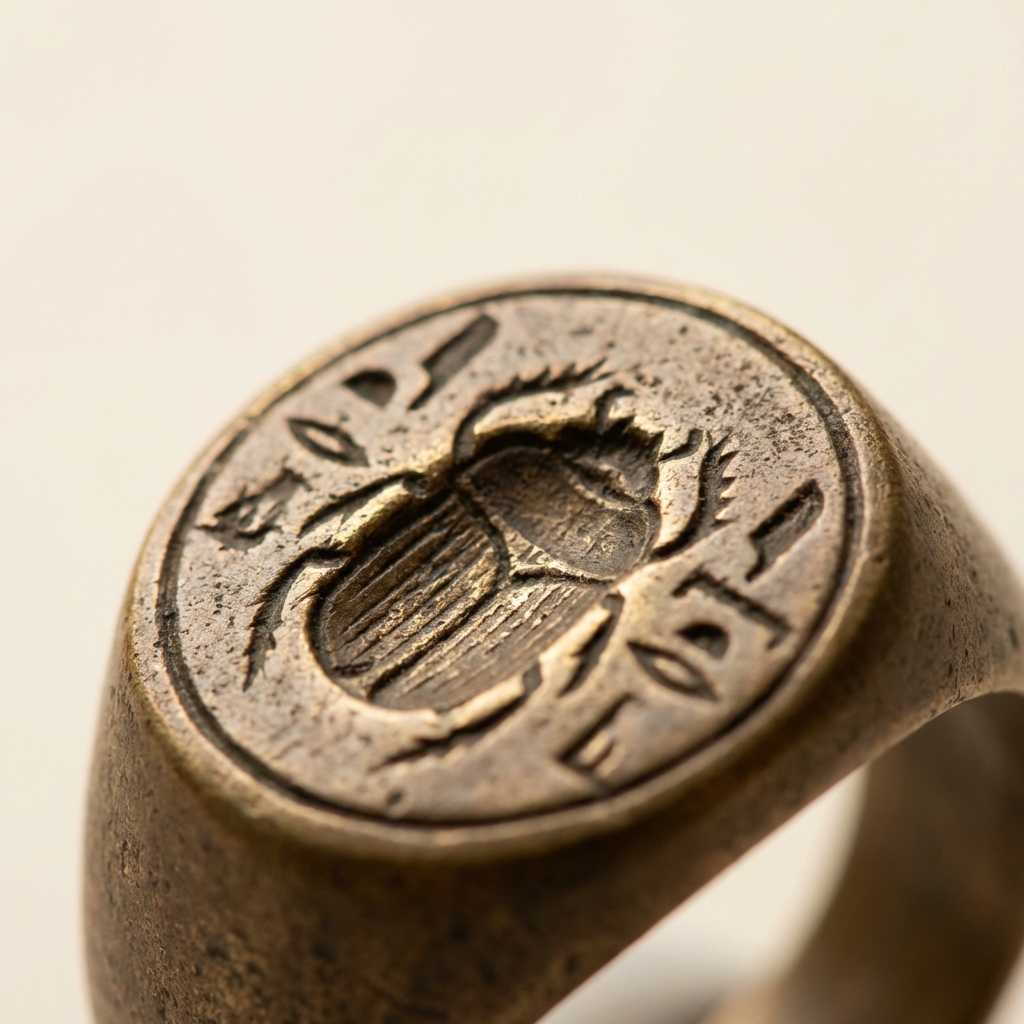
Start with scarab iconography and intaglio style. Carving depth, proportional conventions and motif choices often change over long periods, so comparing a scarab's motif and carving technique to museum examples can place it in a broad era. Catalogues and collection descriptions are the reference points for these comparisons The Metropolitan Museum of Art collection guide.
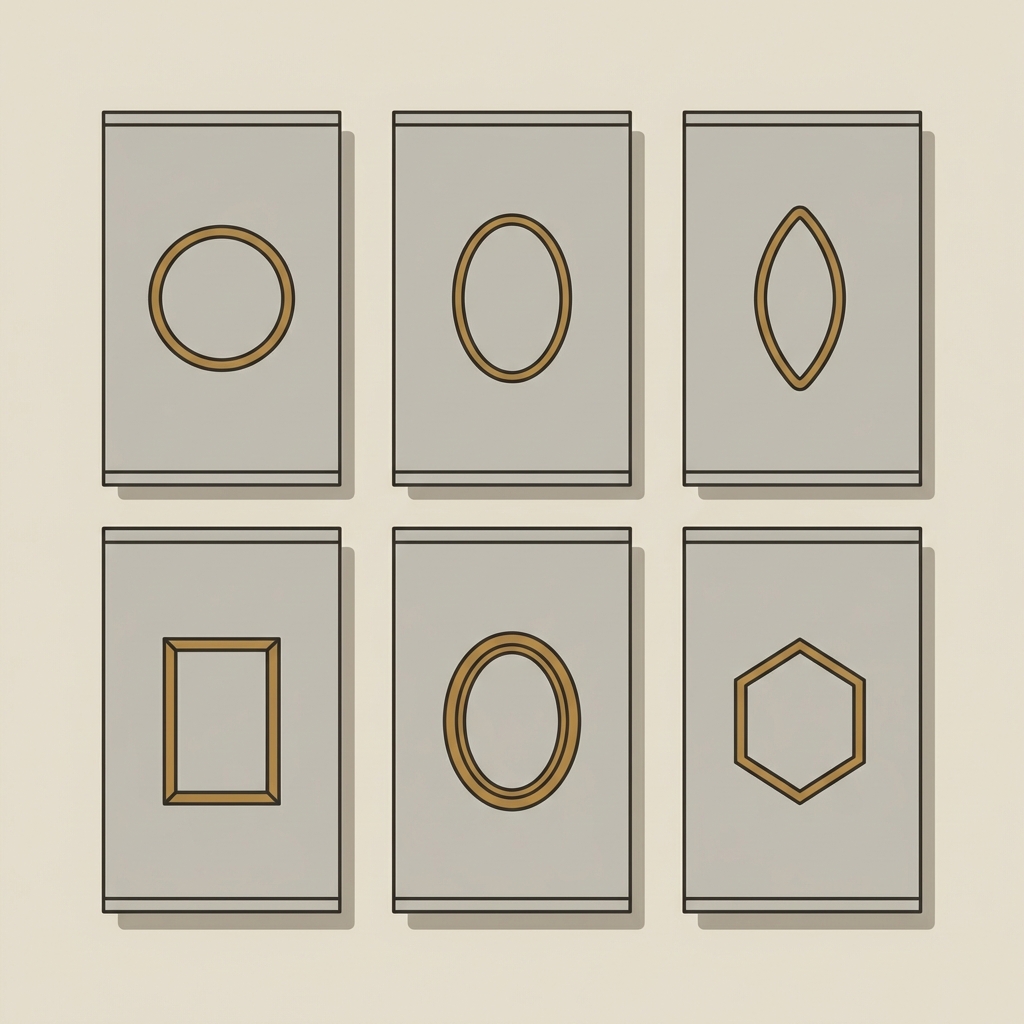
Examine bezel shape, hoop construction and mounting technique. Closed back bezels, certain bezel rims and the way the hoop joins the shoulders can point toward specific workshops or centuries when matched with published typologies. Tool traces and soldering approaches visible under magnification add another comparative layer.
Read patina and wear consistent with age. Genuine age-related surface changes are usually diffuse, follow contact points and preserve fine abrasive wear in expected locations. Restoration or replaced elements can alter these cues, so clear restoration notes or condition reports are essential when assessing how much original material and surface remain British Museum overview of Egyptian jewellery.
Hallmarks and maker marks: why their presence often means a later date
Ancient Egyptian rings and early historic examples typically lack modern assay hallmarks. If a ring displays clear assay marks or modern maker stamps, those marks are usually strong evidence that the piece was made or altered in a later period and so is unlikely to be an ancient antiquity The Metropolitan Museum of Art collection guide.

Common modern maker marks and assay stamps vary by country but often include readable hallmarks, punch marks or laser stamps that were not used in antiquity. When marks are worn, partially obscured or appear added during restoration, treat them as ambiguous until microscopy or an expert provides a clearer reading British Museum overview of Egyptian jewellery.
Non-destructive scientific tests: XRF, microscopy and what results mean
Portable XRF can identify the elemental composition of metal surfaces and reveal alloy patterns that are useful for comparison with known workshop practices, but it cannot on its own prove antiquity. XRF results are most persuasive when they match multiple lines of comparative evidence and provenance documentation Getty Conservation Institute on non-destructive analysis.
Microscopy and surface analysis reveal tool marks, reflow, solder joints and micro‑abrasion patterns that point to manufacturing techniques and repair history. These observations help distinguish modern manufacture or later restoration from original working traces associated with older production methods review of non‑destructive compositional analysis.
Conservators and laboratories combine methods to build a consistent story. Because comparative compositional datasets for some workshops remain incomplete, labs typically recommend non‑destructive testing first and treat compositional matches as supportive rather than definitive evidence for antiquity Getty Conservation Institute on non-destructive analysis. For additional technical examples see a non-destructive study and field report on XRF analysis.
Provenance and documentation: how paperwork changes confidence in a vintage egyptian ring
Useful provenance items include prior sale records, written collection history notes, verification letters and condition reports. When these documents are present and credible they substantially increase confidence in a proposed date and attribution Sotheby's guide to vintage and antique jewellery.
A simple image and document checklist to prepare before consulting an expert
Keep entries brief
Verifying collection history often requires cross‑checking sale catalogues, prior invoices and any letters from specialists. Even well documented objects can have gaps in their chain of ownership, so provenance often contributes to a probabilistic rather than absolute attribution Getty Conservation Institute on non-destructive analysis. For an example listing see an Aurora Antiqua product example listing.
Step-by-step buyer checklist for assessing a vintage egyptian ring
Before you buy, request high-resolution photos from multiple angles, clear measurements and close-ups of the bezel, hoop junctions and any marks. Good photos reduce the need for repeated questions and allow an initial typology comparison (see our rings collection and related items).
During review, ask for condition notes and restoration or conservation history. Specific red flags include modern hallmarks, inconsistent patina, suspiciously pristine intaglio carving and undocumented replaced parts; these should prompt follow-up questions or a pause on purchase Getty Conservation Institute on non-destructive analysis.
Post-purchase, collect and store all documentation, add dated condition photos and, if you commissioned any work, request written restoration notes. These records make later specialist reviews or sales clearer and support a cumulative case for dating and attribution Sotheby's guide to vintage and antique jewellery.
Decision criteria: when to accept 'vintage' vs require proof of 'antique' status
Set criteria based on your collecting goals. If you seek a wearable heritage piece at a modest price, accepting a listing described as vintage with clear condition notes and no hallmarks may be reasonable. If you need a firm claim of antique status for insurance, resale or scholarly purposes, require multiple lines of evidence before accepting the label Christie's explanation of antique definitions.
Factors that raise the bar include higher price, claimed rarity or plans to resell. In those situations budget for a specialist report or non‑destructive testing. For modest purchases, carefully documented visual comparison and seller-provided condition notes may suffice.
Common pitfalls and red flags when evaluating Egyptian rings
Watch for vague listing language like "antique style" or "period look" without supporting images or documentation. Sellers sometimes use evocative terms to describe age without committing to specific dating evidence The Metropolitan Museum of Art collection guide.
Modern repairs and added components can mislead visual assessment. A patch, a modern bezel or a replaced gemstone can create an appearance of age while obscuring recent work. When you suspect added components, request microscope images or a conservator's assessment Getty Conservation Institute on non-destructive analysis.
Photograph traps include poor lighting, low resolution and angles that hide hallmarks or joins. If a listing lacks clear close-ups of critical areas, ask for them before concluding a date or placing a deposit Sotheby's guide to vintage and antique jewellery.
Practical examples: reading three listing scenarios for Egyptian rings
Scenario A: plausible vintage ring with partial provenance. Listing shows a worn bezel, even patina, a mid twentieth century maker's note and dated sale catalogue entry. These elements together suggest a vintage designation is reasonable, but a short conservator report or XRF check would increase confidence Sotheby's guide to vintage and antique jewellery.
Scenario B: probable modern or reproduction. The listing displays clear modern hallmarks, laser-cut intaglio lines and a pristine surface inconsistent with expected wear. Those features normally indicate a modern manufacture or reproduction and should be treated as such unless convincing provenance proves otherwise British Museum overview of Egyptian jewellery.
Scenario C: ambiguous case that needs testing. A ring with strong stylistic cues but incomplete paperwork needs non‑destructive analysis and detailed condition notes. An XRF result that matches expected alloy patterns and microscopy that shows consistent tool marks would likely resolve the ambiguity for many buyers Getty Conservation Institute on non-destructive analysis.
If you own a ring: next steps for formal dating, conservation and documentation
Before contacting a conservator or lab, gather all existing paperwork, photographs and condition notes. A concise package speeds evaluation and helps specialists suggest the most informative, least invasive tests Getty Conservation Institute on non-destructive analysis.
Conservators generally recommend non‑destructive testing first and will advise whether further work is justified. While you wait, store the ring safely in a padded box, avoid chemicals and minimise handling to prevent additional surface change.
When you commission reports, request written condition and restoration notes, and ask labs to supply clear descriptions of methods and limitations. That documentation becomes part of the object's provenance and improves future attribution work review of non‑destructive compositional analysis.
Summary and next practical steps for collectors
Market thresholds provide a useful shorthand: vintage often means roughly 20 to 99 years, antique about 100 plus years, but for Egyptian rings stylistic typology, hallmarks, scientific tests and provenance all interact to form a cumulative case for dating Christie's explanation of antique definitions.
High-value next steps are simple: gather high-resolution photos and measurements, check for hallmarks, compare the object to museum typologies, and escalate to non‑destructive testing or a specialist report when the stakes justify the cost Getty Conservation Institute on non-destructive analysis.
Further reading and references to deepen your research
For market definitions and cataloguing practice consult the major auction house guides, which explain working thresholds and listing conventions Sotheby's guide to vintage and antique jewellery, and the Aurora Antiqua homepage for listings and blog posts Aurora Antiqua.
For museum typology and comparative examples see institutional collection guides, which show scarab styles, bezel types and mounting techniques useful for relative dating The Metropolitan Museum of Art collection guide.
For methods and conservation practice consult conservation institute and peer review literature on non‑destructive analysis to understand what tests can and cannot resolve about dating and composition Getty Conservation Institute on non-destructive analysis.
In market practice vintage typically refers to items about 20 to 99 years old and antique to items roughly 100 years or older, though legal and regional definitions can vary.
XRF can provide compositional evidence that supports or challenges an attribution, but it does not alone prove antiquity; it is strongest when combined with typology and provenance.
Request high-resolution photos, close-ups of marks and joins, measurements, condition and restoration notes, and any provenance documentation before buying.
References
- https://www.sothebys.com/en/articles/what-is-vintage-jewellery-how-to-define-it
- https://www.metmuseum.org/about-the-met/collection-areas/egyptian-art
- https://auroraantiqua.store/products/roman-silver-ring-auriga-red-jasper-intaglio-of-cock-drawing-a-chariot-driven-by-a-mouse-1st-3rd-century-ad-eu-57-us-7-5
- https://www.britishmuseum.org/collection/galleries/egypt-and-sudan
- https://www.getty.edu/conservation/
- https://www.christies.com/features/what-is-an-antique-11940-1.aspx
- https://www.sciencedirect.com/science/article/pii/S0305440324001234
- https://www.spectroscopyonline.com/view/exploring-the-relationship-between-ancient-egypt-and-spectroscopy-a-look-at-recent-studies
- https://www.mdpi.com/2075-163X/13/2/158
- https://www.maajournal.com/index.php/maa/article/view/423
- https://auroraantiqua.store/products/roman-silver-ring-auriga-red-jasper-intaglio-of-cock-drawing-a-chariot-driven-by-a-mouse-1st-3rd-century-ad-eu-57-us-7-5
- https://auroraantiqua.store/collections/rings
- https://auroraantiqua.store/