


What a faun engraved ring means: definition and historical context
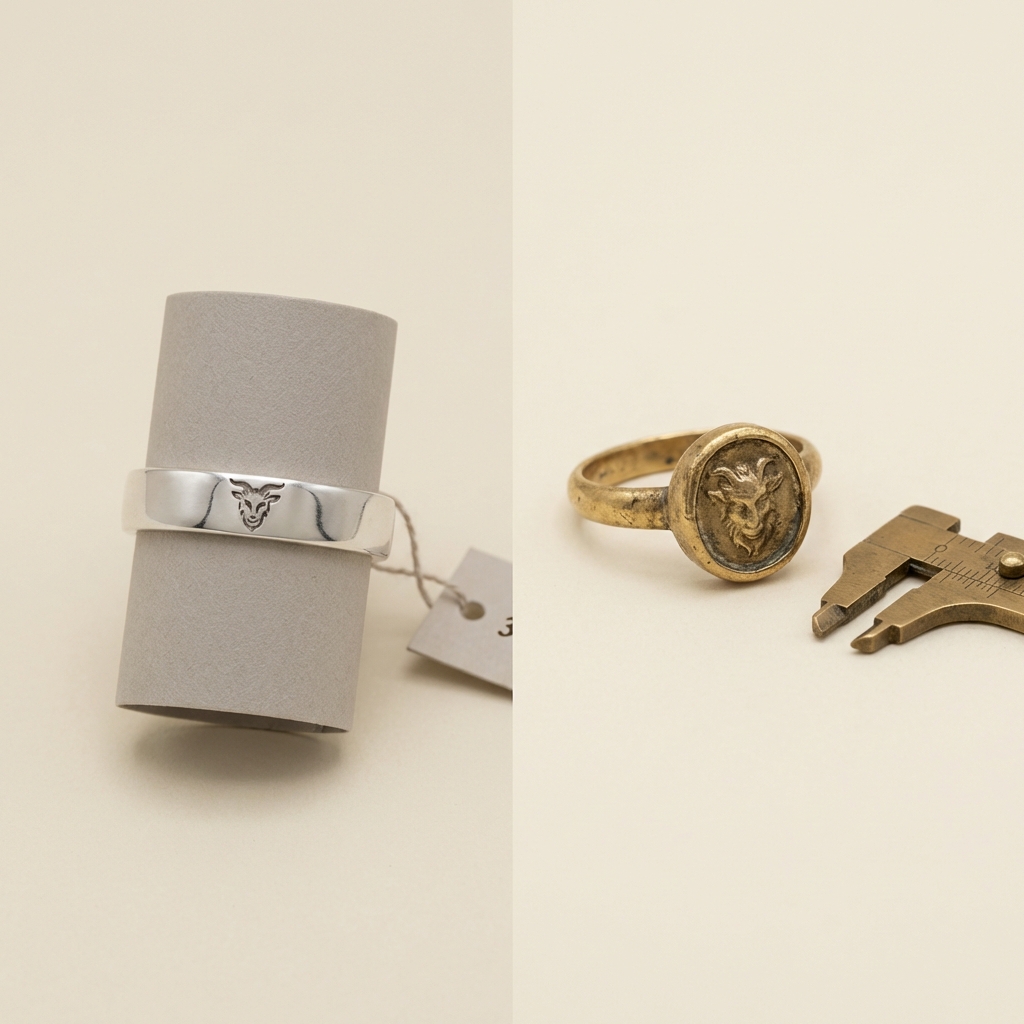
A faun engraved ring is best described as a ring that bears a motif likely representing a faun or similar hybrid creature, rather than a definitive taxonomic identification. In many object catalogues and curatorial descriptions, such motifs are phrased as "described as" or "likely representing" a faun to reflect iconographic uncertainty and the limits of attribution.
Museum surveys and collection entries show that creature motifs appear commonly on ancient intaglios and bezel work, where the image functions as symbol, amulet, or personal emblem; this pattern is documented across Greek, Roman, and medieval contexts in major collections and catalogue essays, which discuss animal and hybrid figures appearing on bezels and shoulders of rings British Museum collection online.
The visual vocabulary of rings in antiquity often blends mythic and everyday imagery, so a small creature carved on a bezel can carry several meanings, from protective amulet to playful personal emblem. Such interpretations are usually presented with caution in museum entries, and scholars stress that an intaglio or bezel motif may represent a local workshop style or a broadly understood mythic figure rather than the precise modern notion of a faun. See a related exhibition at the Getty Museum Getty Museum.
The visual vocabulary of rings in antiquity often blends mythic and everyday imagery, so a small creature carved on a bezel can carry several meanings, from protective amulet to playful personal emblem. Such interpretations are usually presented with caution in museum entries, and scholars stress that an intaglio or bezel motif may represent a local workshop style or a broadly understood mythic figure rather than the precise modern notion of a faun.
simple measurement checklist to test band width and engraving fit
Test with a printed sample
When considering a faun engraved ring as a wedding band or collectible, observe bezel form and intaglio technique. Bezels that carry creature motifs tend to be raised or framed to improve visibility, while shoulder engraving often presents smaller or repeated elements; both practices are recorded in museum catalogues and object essays Metropolitan Museum of Art collection.
Collectors and historians typically treat such motifs as part of a ring's iconography and social function rather than straightforward labels. Descriptions that frame the figure as likely representing a faun help maintain scholarly caution and respect provenance notes when present.
Common inscriptions on wedding bands: names, initials, dates and short vows
Museum catalogues and historical surveys indicate that text-based inscriptions traditionally include names, initials, dates, and short vows, a continuity visible from classical intaglios through medieval and into modern inner-band inscriptions. The V&A's overview of ring history summarizes this long-standing practice and its evolution from public bezel imagery to private inner-face text V&A article.
Historically, brevity was a practical necessity. Formats like initials plus a date, or a two- to four-word motto, appear repeatedly in catalogues and collection notes; these concise forms fit narrow metal bands and preserved legibility over time. Concise phrases also reflect social practices where a ring could carry an intimate message that its wearer recognized but others might not.
For modern buyers who want to honor historical practice, short inscriptions such as initials with a single date or a two-word vow align with both tradition and physical constraints. Jewelers and engraving guides today echo this guidance: compact wording preserves clarity and fits common character limits for narrow rings. See our rings collection.
Symbols and motifs on bezels and shoulders: where a faun engraved ring fits
Bezel and shoulder placement are the primary locations for visible motifs. A bezel engraving offers a focal image that is readable at a glance, while shoulder motifs provide supporting decoration along the hoop; museums and gemological overviews describe both as established practices for communicating identity or protective imagery GIA engraved gem overview.
Collections in major institutions show a wide range of motifs including animals, gods, and hybrid creatures such as fauns or manticores. These images could serve amuletic, identity, or status roles depending on period and region, and are catalogued in object entries that interpret likely meanings with caution British Museum collection online. See also a comparable satyr entry in the Thorvaldsens Museum catalogue Thorvaldsens Museum.
Follow @auroraantiqua for curator insights
Explore curated listings that include condition notes and provenance information to see how motifs are described in practice.
Because motifs often carry period-specific connotations, identification strategies use comparative visual analysis and contextual documentation. A small creature on a bezel might be described as a faun in one catalogue entry and as a generic satyr-like figure in another, demonstrating why conservative phrasing is preferred in descriptive labels Metropolitan Museum of Art collection.
Visible motifs are also a practical location for symbolic inscription. On a wedding band, a faun motif could be placed on the bezel to serve as a visible emblem, or incorporated into a shoulder engraving to remain part of the ring's decorative scheme without interfering with the inner-face text.
Practical engraving choices today: placement, character limits and font
Choosing placement matters: inner-face engraving is often recommended when privacy and reduced wear are priorities, while outer-face or bezel engraving is chosen for visibility and symbolic display. Technical guides and museum practice both advise testing placement according to how the ring will be worn and how the motif or text will be seen in use GIA engraved gem overview.
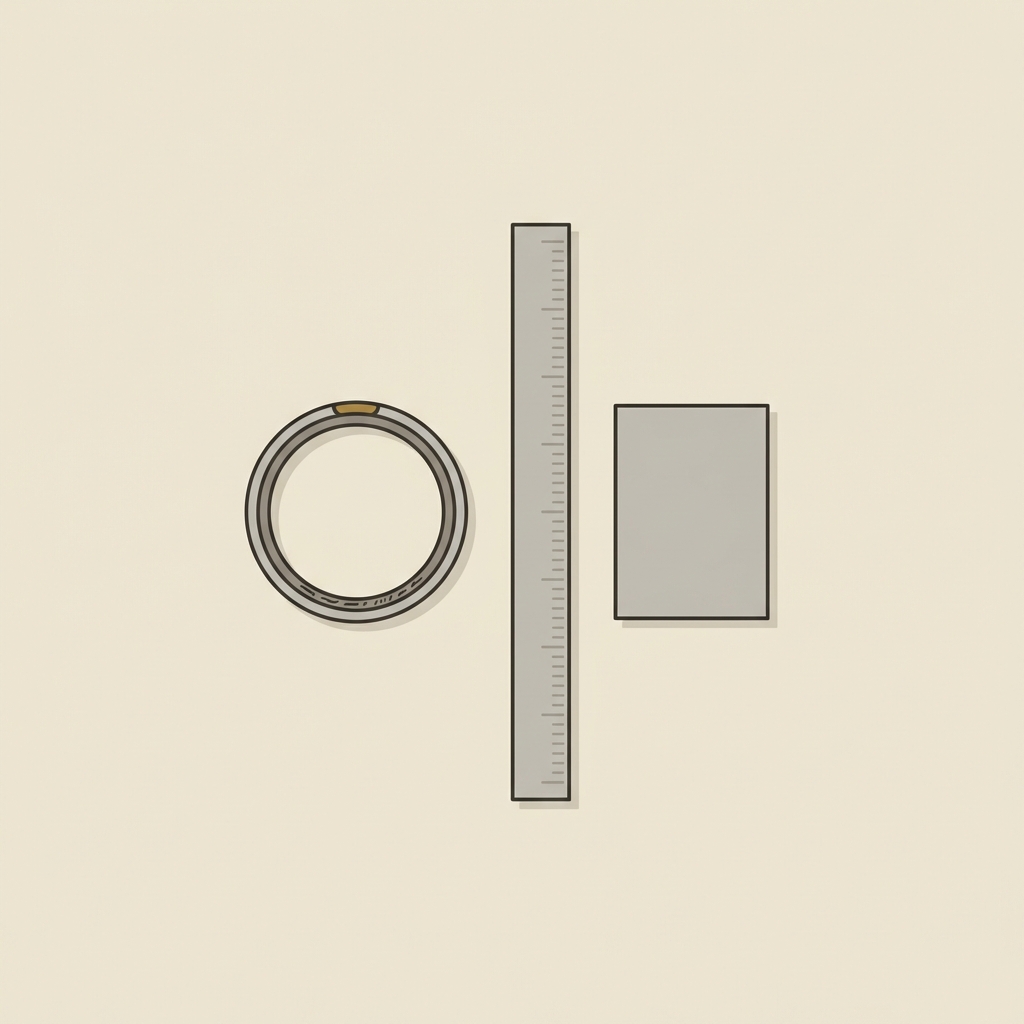
Industry sources report typical inner-band character limits in the 15 to 40 character range, depending on band width and font choice, with the lower end applying to narrow bands and the higher end to wider profiles; this practical guidance comes from jewelers' engraving guides and trade FAQs JamesAllen engraving guide.
For legibility, prefer simple sans-serif or a clear script where stroke contrast is minimal. Engravers recommend printing a sample of the inscription at final character size and wrapping it around the band to confirm spacing and readback before committing; this test helps anticipate how curves and tapering will affect character proportions National Jeweler engraving FAQs.
Checklist for placement and legibility: measure the band width in millimeters, estimate usable character count based on that width, choose a clean font, and request a proof or template from the engraver. Small practical steps reduce the risk of cramped lettering and improve long-term readability.
Conservation and provenance: can you add or alter engravings on an antiquity?
Adding modern inscriptions or re-engraving authentic antiquities raises substantive conservation and provenance concerns. Museum and conservator guidance stresses that any intervention can alter condition notes and provenance statements, and therefore should only proceed after specialist consultation British Museum collection online.
Before any alteration, request detailed condition and restoration notes from the seller or custodian, and ask whether previous interventions are documented in the provenance. Clear restoration notes help future researchers understand what was original and what was added, preserving the object's research and collection value.
Many collectors prefer to avoid re-engraving an antiquity entirely; when a buyer wishes to personalize an ancient piece, conservators may recommend alternatives such as creating a modern companion ring with a replica motif or using reversible surface treatments rather than cutting new marks into historical metal GIA engraved gem overview.
For those interested in a curated example, examine listings that include restoration notes and documented provenance to judge condition and past interventions; some curators and sellers will provide high-resolution images and commentary on what was stabilized or left untouched. Examples include the Sylvanus Roman Bronze Ring listing.

How to choose wording: concise, historically informed options for a wedding band
Historically informed choices favor brevity. Templates such as initials plus a year, a two-word vow, or a single evocative noun mirror what appears in catalogues and modern engraving practice. These compact formats balance personal meaning with the physical limits of many bands V&A article.
Examples to consider: formats like "A+B 2026" for initials and date, short vows such as "ever mine" or "to the moon," and motif captions for visible bezels like "faun motif" or "satyr head" when the image is shown on the outer face. When referring to a historic motif, phrase labels as inspired by or described as to avoid implying a definitive identification.
Abbreviations and symbols save space: consider a heart symbol or an ampersand for pairing, Roman numerals for compact dates, or initials separated by a simple dot. These techniques maintain meaning while reducing character load and improving legibility for narrow inner bands JamesAllen engraving guide.
Typical mistakes and conservation pitfalls to avoid
Common errors include re-engraving without documentation, selecting ornate fonts that compromise legibility, and failing to record any intervention in condition or restoration notes; these mistakes can diminish research value and complicate provenance for future owners GIA engraved gem overview.
Another frequent pitfall is attempting to remove aged patina to improve contrast; patina is often an important part of an antiquity's condition and recording its presence is a standard part of condition notes. Removing or altering patina without conservation oversight can harm the object's surface and its historical information.
Traditionally, wedding bands carry concise inscriptions such as names, initials, dates, or short vows; visible motifs like animals or mythic creatures appear on bezels and shoulders and are described cautiously in museum records.
Do not assume a modern engraver can safely alter an ancient ring without conservator input; always consult a trained conservator before allowing cuts or reworking on an authentic antiquity British Museum collection online.
Examples and sample inscriptions for inspiration
Historic-inspired templates: initials and date ("M+J 1648"), short vows of two to four words ("always yours"), motif captions for visible bezels ("faun motif" or "described as faun") - each example keeps wording compact to fit typical character limits and reflect historical practice V&A article.
Checks before committing: measure band width in millimeters, consult an engraving guide for estimated character counts, request a wrap-around proof at final size, and if the piece is an antiquity, ask for condition and restoration notes and a conservator's opinion. These steps reduce surprises and protect both legibility and provenance JamesAllen engraving guide.
If you want a visible creature motif with a personal inscription, a common compromise is to place a short inner-face text for privacy while leaving a bezel motif untouched and described in the listing as part of the ring's iconography; that ensures both personal meaning and preservation of historical imagery.
Adding a modern engraving to an antiquity raises conservation and provenance concerns; consult a trained conservator and obtain clear restoration and condition notes before any intervention.
Typical inner-band character limits reported by jewellers range from about 15 to 40 characters depending on band width and font; measure the band and request a proof to confirm fit.
Describe the motif cautiously using phrasing such as likely representing or described as, and cite any documentation or catalogue entries that support the identification.
References
- https://www.britishmuseum.org/collection/term/BIOG1126
- https://www.metmuseum.org/art/collection/search#!?q=rings
- https://auroraantiqua.store/collections/ancient-greek-rings
- https://www.getty.edu/art/collection/exhibition/103NEW
- https://auroraantiqua.store/collections/rings
- https://www.gia.edu/gem-encyclopedia/engraved-gem
- https://www.vam.ac.uk/articles/the-history-of-wedding-rings
- https://www.jamesallen.com/engraving-guide/
- https://www.nationaljeweler.com/education/engraving-faqs
- https://kataloget.thorvaldsensmuseum.dk/en/I1599
- https://auroraantiqua.store/products/sylvanus-roman-bronze-ring-with-engraved-faun-1st-3rd-century-ad-eu-50-5-us-5-5-copy
- https://auroraantiqua.store/products/authentic-greek-bronze-ring-chimaron-mythological-creature-possible-manticore-ca-400-bc-eu-56-us-7-75
- https://www.britishmuseum.org/collection/object/H_1824-0301-38